
Estimated Read Time: 9–11 minutes
Summary: Post Acute Withdrawal Syndrome (PAWS) is often discussed in the context of substance recovery, yet similar adjustment periods may occur when people taper or discontinue long-term SSRIs. This article looks at how the nervous system may respond as it recalibrates after extended antidepressant use and why symptoms can differ from person to person. It also explores how prescribers may incorporate compounded medications to personalize tapering strategies and provide supportive care during this transition.
When people hear about Post Acute Withdrawal Syndrome (PAWS), they often think of substance-related recovery. However, something similar may also happen to individuals who stop their long-term antidepressants.
They describe this period as a time when their mood, sleep, and physical comfort feel off after discontinuing their medication. It isn’t an addiction, and it isn’t a sign of doing anything wrong. It’s simply the body recalibrating after years of steady serotonin support.
If this sounds familiar, you’re not alone. This experience is more common than many realize. In this blog, we’ll break down what’s going on, along with supportive care options — including the potential role of compounding medications in assisting your tapering-off journey.
Link Between Post Acute Withdrawal Syndrome and SSRI Tapering
Post acute withdrawal syndrome or PAWS refers to persistent symptoms when you stop using a substance your body has grown accustomed to. It’s usually related to alcohol, opioids, or benzodiazepines, where the brain needs time to regain balance after long-term exposure.

However, the same thing is also observed in patients coming off long-term SSRIs. The signs don’t mean that their medication is addictive because antidepressants don’t work that way. Instead, PAWS events reflect how their nervous system may temporarily react as it adjusts without solid support.
“PWS or PAWS from antidepressants can be severe and long-lasting, and its manifestations clinically heterogeneous. Long-term antidepressant exposure may cause multiple body system impairments.”
For some, this transition is smooth. For others, the body sends mixed signals, including emotional waves, physical sensations, sleep changes, or overall sensitivity.
Why PAWS Events Happen After Stopping SSRIs
Coming off Selective Serotonin Reuptake Inhibitors (SSRIs) may trigger a transition phase where your body must catch up. If the medication is stopped or lowered quickly, this phase may feel more noticeable.
For many, they describe this period as a mix of emotional or physical sensations that come and go, such as:
- Emotional waves, like brief anxiety or low mood
- Dizziness or lightheadedness
- Nausea or stomach upset
- Brain zaps or electrical sensations
- Trouble sleeping or waking up frequently
- Feeling overstimulated or unusually tense
- Difficulty focusing or feeling foggy
These signs vary from person to person.
So, a slower, gentler taper may help minimize these moments and make the transition smoother. Since your prescriber guides the tapering plan, they may suggest compounded options to help you stay more comfortable.
Where Compounding May Support a Prescriber’s SSRI Taper Strategy
Since SSRI tapering varies between patients, psychiatrists, family practice doctors, and other prescribers navigate through the patterns. Thus, situations like those below may open the door for compounding to help them personalize support.
When Compounding May Support a Prescriber’s SSRI Taper Strategy
Not every patient responds the same way during SSRI discontinuation, and that’s where compounding offers a strategic advantage for prescribers looking to personalize the tapering process.
Compounding allows healthcare providers to adjust dose strength, delivery method, and ingredients to better align with each patient’s needs — especially when commercial options are too limited or too rigid. Below are several real-world situations where a compounded approach may provide meaningful support in SSRI tapering:
A Dose Reduction Feels Too Abrupt
Some patients may feel dizzy, anxious, or emotionally off-balance after a standard step-down. In these cases, a prescriber can request intermediate strength capsules or liquids (e.g., 2.5 mg, 1.25 mg) to create smaller, more gradual taper steps that reduce symptom flare-ups.
Difficulty Swallowing Pills
Nausea, gag reflexes, or throat tightness can make pill-taking difficult, especially during withdrawal. A compounded liquid formulation, troche, or even topical/transdermal alternative may be more comfortable for the patient and help improve adherence.
Sensitivity to Fillers or Additives
Inactive ingredients in mass-produced antidepressants — like dyes, binders, or lactose — can cause headaches, GI upset, or allergic reactions in sensitive individuals. Compounded medications can be made free of gluten, dyes, artificial sweeteners, or allergens based on the patient’s needs.
The Taper Needs to Slow Down
For patients experiencing persistent withdrawal symptoms, the tapering schedule may need to be extended over weeks or months. Compounding pharmacies can prepare ultra-low doses in exact strengths (e.g., 0.5 mg or lower) to allow for micro-tapering, which may feel more manageable and better tolerated.
Adjunctive Support for Withdrawal Symptoms
During SSRI tapering, a prescriber may also request compounded supportive medications — like low-dose naltrexone, melatonin, or gabapentin — in personalized strengths or delivery forms to assist with mood, sleep, or neurological discomfort.
The goal of compounding during SSRI tapering is not just symptom control — it’s about making the transition more precise, comfortable, and individualized. When the “one-size-fits-all” approach doesn’t serve your patient, compounding opens the door to highly customized care.
At Healing Dose Compounding Pharmacy (HDRx), we collaborate closely with prescribers to support thoughtful, well-paced tapering strategies backed by quality standards.
Compounded Medications That May Help During SSRI Tapering
Post-Acute Withdrawal Syndrome (PAWS) can be a long-lasting and debilitating phase of recovery for patients withdrawing from opioids, benzodiazepines, alcohol, or stimulants. At Healing Dose Compounding Pharmacy (HDRx), the following compounded medications are commonly considered for PAWS support (always with a valid prescription and under supervision of a healthcare provider):
Here’s what a compounding pharmacy can typically do with SSRIs:
Prepare Lower-Than-Commercial Doses
Commercial SSRIs (like sertraline, fluoxetine, escitalopram, etc.) are typically manufactured in fixed increments — e.g., 10 mg, 20 mg, 40 mg. But during tapering, patients often need much smaller reductions (like 7.5 mg, 5 mg, 2.5 mg, or even sub-milligram doses). A compounding pharmacy can fill that gap by preparing:
- Custom capsules (e.g., 2.5 mg fluoxetine)
- Oral suspensions/liquids (precisely dosed in mg/mL for micro-adjustments)
- Sublingual drops (for patients who have trouble swallowing pills)
Compound the Specific SSRI Active Ingredient
As long as the SSRI is available in a USP-grade bulk active pharmaceutical ingredient (API) or sourced from an FDA-approved tablet, compounding pharmacists can prepare it in a customized form. This includes:
- Sertraline
- Fluoxetine
- Citalopram
- Escitalopram
- Paroxetine
(Note: Not all SSRIs may be available in raw API form, but pharmacists may be able to compound from FDA-approved tablets using proper guidelines.)
Provide Tapering Flexibility Beyond Commercial Options
Commercial tablets may only allow dose drops of 50% or more — but a compounding pharmacy can help a prescriber implement a 10% taper per month, or even slower, by adjusting strength with precision.
Supportive Compounded Medications Often Used During PAWS
Managing Post-Acute Withdrawal Syndrome (PAWS) is rarely one-size-fits-all. The lingering symptoms — like anxiety, insomnia, fatigue, muscle tension, and mood instability — can vary widely from person to person. For some, these symptoms last weeks. For others, they persist for months as the nervous system recalibrates.
Explore commonly prescribed compounded medications for PAWS patients:
Low Dose Naltrexone (LDN)
Why it’s prescribed: LDN is often prescribed off-label for autoimmune issues and chronic pain but is also emerging as a tool in addiction recovery, particularly during the PAWS phase. It may help regulate the immune system and promote endorphin production, which is often depleted after withdrawal.
- Mechanism: Temporarily blocks opioid receptors → rebound increase in endorphins → potential mood stabilization and pain relief.
- Dosage Forms: Capsules, liquid, or sublingual drops.
- Conditions Supported: Opioid/alcohol recovery, chronic pain, autoimmune dysregulation, mood symptoms.
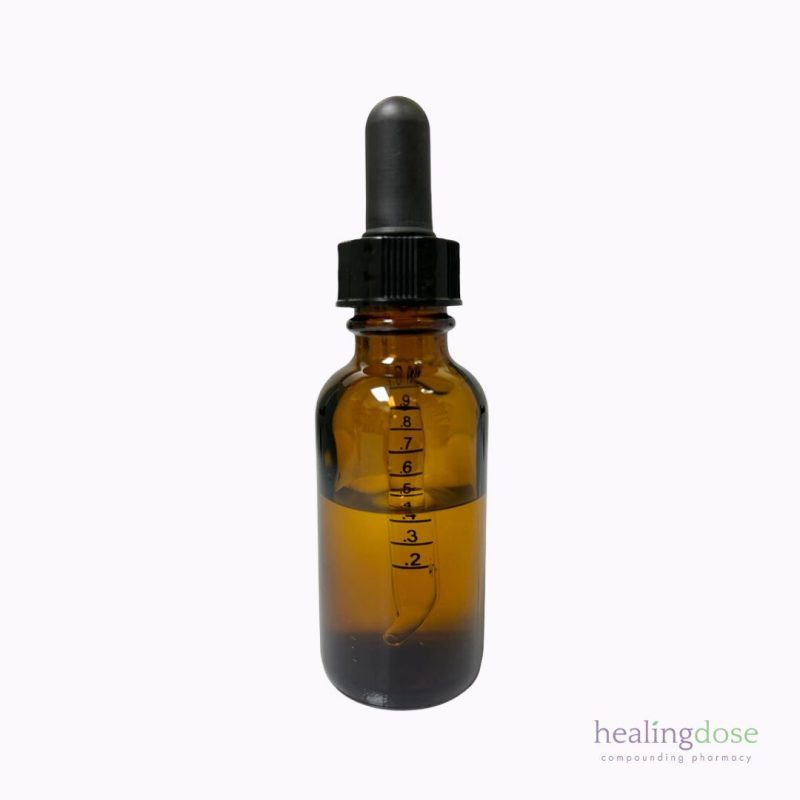
Low Dose Naltrexone (LDN) Sublingual Drops
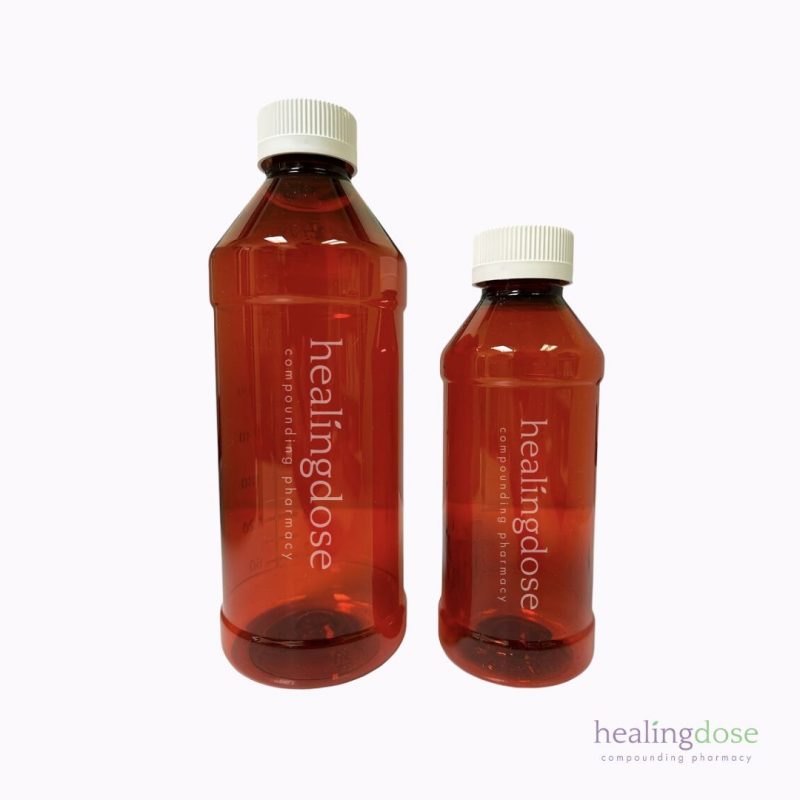
Low Dose Naltrexone (LDN) Oral Liquid
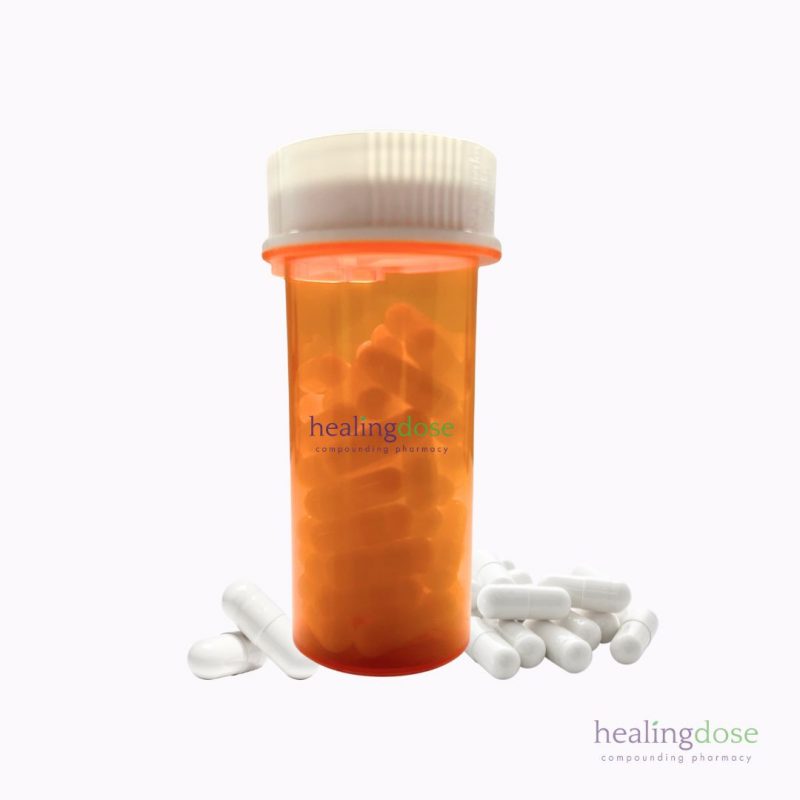
Low Dose Naltrexone (LDN) Capsules
Results from a study noted that Low-Dose Naltrexone may offer support for daily pain, which may help in:
- Smoother sleep
- Better mood
- Lower fatigue
Ketamine Troches or Lozenges (for Anxiety or Depression)
Why it’s prescribed: Ketamine is known for its rapid-acting antidepressant and anxiolytic effects, particularly when traditional SSRIs fail. In compounded low-dose forms, it can be used sublingually under the supervision of a provider during PAWS for emotional stabilization.
- Form: Sublingual troches.
- Use: Prescribed off-label for treatment-resistant depression or anxiety.
- Monitoring: Must be closely supervised by a provider due to its potent effects.
Empty heading
Cyclobenzaprine (Compounded Muscle Relaxant for PAWS)
Why it’s prescribed: Cyclobenzaprine is a centrally-acting skeletal muscle relaxant often prescribed for muscle spasms, stiffness, and tension — all of which can arise during PAWS, particularly in those recovering from opioids, benzodiazepines, or alcohol. It works on the brainstem to reduce tonic somatic motor activity, leading to muscle relaxation. It may also support sleep in patients experiencing withdrawal-related insomnia or restless leg-like symptoms.
- Forms: Capsules and creams.
- Use: Muscle tension from anxiety, restless legs/body discomfort, sleep disruption related to physical discomfort.
- Monitoring: Titrated doses for hypersensitive or poly-medicated patients, avoidance of sedative overload when combined with other medications, custom multi-drug formulations (e.g., Cyclobenzaprine + Lidocaine + Gabapentin cream for muscle pain).
Lidocaine (Compounded for Targeted Pain Relief in PAWS)
Why it’s prescribed: Lidocaine is a local anesthetic that works by blocking sodium channels in nerve endings, which interrupts the transmission of pain signals. In PAWS, where nerve pain, hypersensitivity, burning sensations, or general discomfort may occur, topical or transdermal lidocaine provides localized, non-systemic relief without the need for systemic opioids or sedatives.
- Forms: Topical creams/ointments and oral rinses (for mouth/throat pain post-detox or from methadone/suboxone use).
Lidocaine Gel
- Common Compounded Combinations:
- Lidocaine + Cyclobenzaprine – for muscle pain and tension
- Lidocaine + Gabapentin + Ketoprofen – for neuropathic or inflammatory pain
- Lidocaine + Tranexamic Acid + Budesonide – used in ENT or post-surgical cases, adaptable for GI pain
- Lidocaine + Cyclobenzaprine – for muscle pain and tension
Sleep Support: Compounded Melatonin or Trazodone Capsules
Sleep disruption is one of the most persistent symptoms of PAWS.
- Melatonin: Extended-release compounded formulas allow for more consistent overnight support.
- Trazodone: In compounded form, doses can be adjusted for patient-specific needs, especially for sensitive individuals or those on multiple medications.
- Other Options: Custom blends with magnesium glycinate, L-theanine, or 5-HTP.
Anxiety Relief: Gabapentin or L-Theanine-Based Capsules
Compounded gabapentin or L-theanine-based formulations may help with nervous system hyperexcitability, a hallmark of PAWS.
- L-Theanine: A calming amino acid often used in compounded calming blends.
- Gabapentin: Can be compounded into low-dose titratable capsules.
Cognitive & Mood Support: B-Complex / Methylcobalamin Injections or Sublinguals
Fatigue, brain fog, and low motivation are hallmark symptoms of stimulant or alcohol-related PAWS. Compounded B12 (methylcobalamin) and B-complex injections or sublinguals may help.
- Delivery: Injectable, sublingual, or capsule forms.
- Additional Ingredients: Often paired with MIC (Methionine-Inositol-Choline) for added metabolic support.
Custom Amino Acid Blends (Mood & Neurotransmitter Support)
Replenishing neurotransmitter precursors during withdrawal is critical. HDRx may compound blends that include:
- Tyrosine, 5-HTP, GABA, Taurine, or Glutamine.
- These blends support serotonin, dopamine, and GABA balance — all of which are disrupted in PAWS.
Healing Dose Compounding Pharmacy: Michigan’s Trusted Source of Compounded Medications
At HDRx, we are committed to providing high-quality compounded medications to meet patient needs and support their clinical outcomes.
Why Choose HDRx for Compounded Prescriptions
- Serving multiple states from MI to OH, IN, WI, and FL (Florida, non-injectable dosages only).
- Ensures the highest level of safety and quality in every compounded formulation.
- Tailoring various dosing, strengths, and delivery forms to match specific patient needs.
- Collaborating with psychiatrists, family practice doctors, and other specialists to assist in optimal care plans.
You Don’t Need to Deal With PAWS Alone
If you’re a patient struggling with post acute withdrawal symptoms (PAWS) because of SSRI tapering, consult with your healthcare provider to discuss compounded formulations as an option.
If you’re a prescriber, Healing Dose Compounding Pharmacy is here to support you in providing optimal tapering plans for your patients.
Contact HDRx today to learn more about compounded medications. Experience personalized approaches for your mental and physical well-being.
Disclaimer:
Not all medications are suitable for micro-tapering or custom-compounded dosing. Certain active ingredients may still be under patent protection and are not available as pure pharmaceutical-grade powders. In these cases, compounding may require use of the commercial product, which can limit customization—especially if the medication is in an extended-release form. Extended-release products are generally not suitable for compounding into individualized strengths or alternate dosage forms. Each patient’s situation is unique, and our pharmacists carefully evaluate every case to determine what is feasible and safe based on clinical considerations and compounding guidelines.
References:
- Hengartner, M. P., Schulthess, L., Sorensen, A., & Framer, A. (2020b). Protracted withdrawal syndrome after stopping antidepressants: a descriptive quantitative analysis of consumer narratives from a large internet forum. Therapeutic Advances in Psychopharmacology, 10, 2045125320980573. Link
- The type of antidepressant prescribed most often. (n.d.). Mayo Clinic. Link
- Hausenblas, H. A., Lynch, T., Hooper, S., Shrestha, A., Rosendale, D., & Gu, J. (2024). Magnesium-L-threonate improves sleep quality and daytime functioning in adults with self-reported sleep problems: A randomized controlled trial. Sleep Medicine X, 8, 100121. Link
- Moulin, M., Crowley, D. C., Xiong, L., Guthrie, N., & Lewis, E. D. (2024). Safety and Efficacy of AlphaWave® l-Theanine Supplementation for 28 Days in Healthy Adults with Moderate Stress: A Randomized, Double-Blind, Placebo-Controlled Trial. Neurology and Therapy, 13(4), 1135–1153. Link
- Moldofsky, H., Harris, H. W., Archambault, W. T., Kwong, T., & Lederman, S. (2011). Effects of Bedtime Very Low Dose Cyclobenzaprine on Symptoms and Sleep Physiology in Patients with Fibromyalgia Syndrome: A Double-blind Randomized Placebo-controlled Study. The Journal of Rheumatology, 38(12), 2653–2663. Link
- Wang, A., Li, H., Xie, Z., Li, L., Jiang, X., Guo, Q., Hu, F., Zhang, J., Cui, Y., Ding, Y., Fang, H., Han, X., Guo, S., Wang, J., & Ni, N. (2023). Randomized, Placebo-Controlled, Multicenter Clinical Study on the Efficacy and Safety of Lidocaine Patches in Chinese Patients with Postherpetic Neuralgia. Dermatology and Therapy, 13(7), 1477–1487. Link
- Younger, J., Noor, N., McCue, R., & Mackey, S. (2013). Low‐dose naltrexone for the treatment of fibromyalgia: Findings of a small, randomized, double‐blind, placebo‐controlled, counterbalanced, crossover trial assessing daily pain levels. Arthritis & Rheumatism, 65(2), 529–538. Link