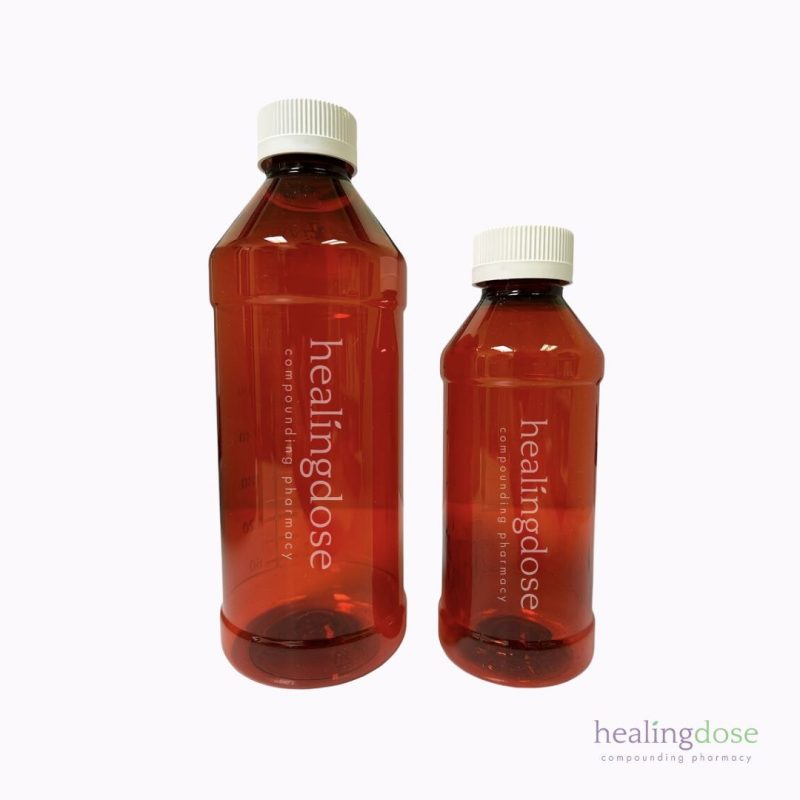
About low-dose naltrexone sublingual drops
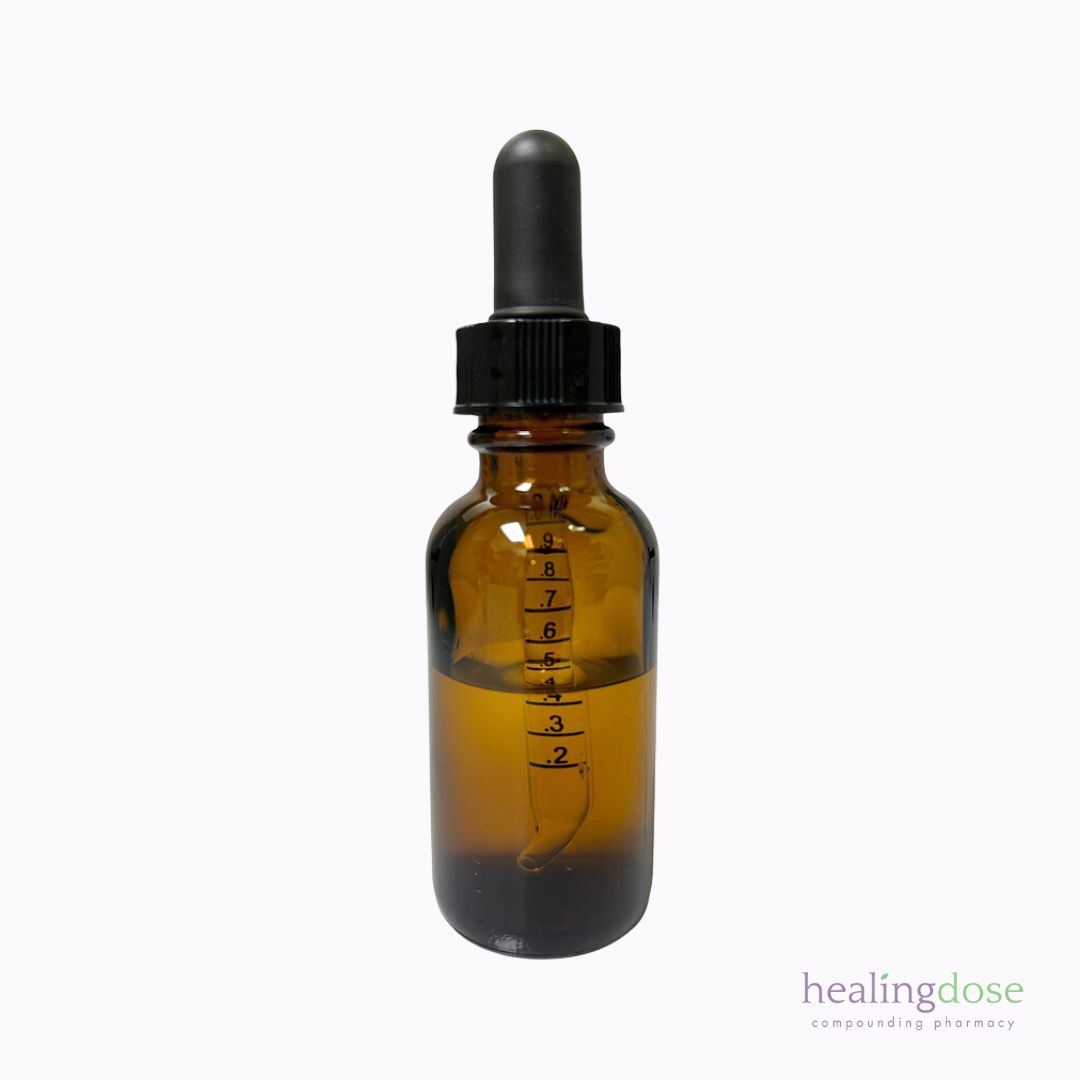
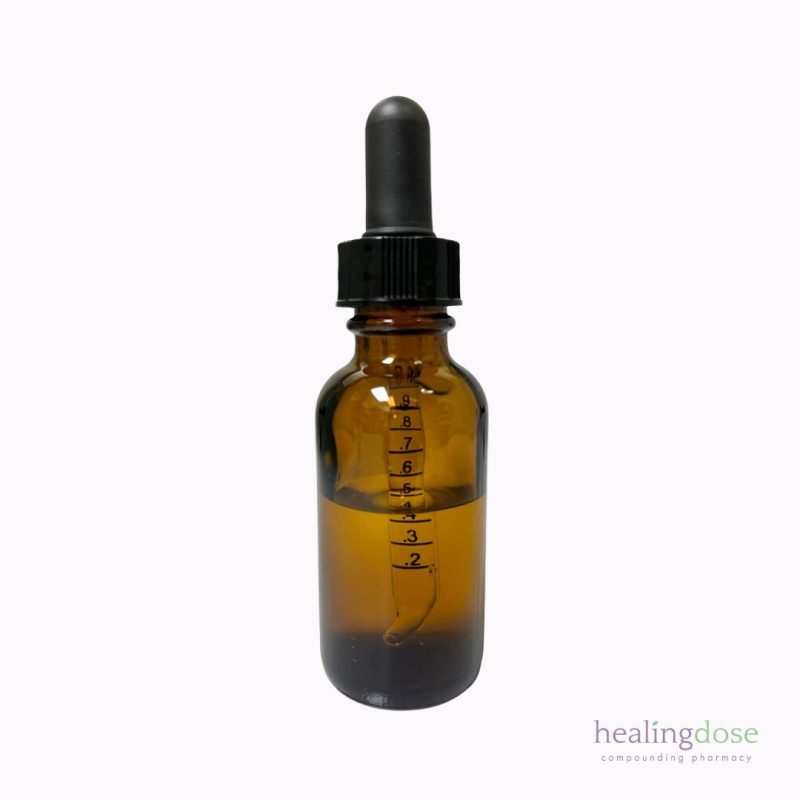
Naltrexone is an opioid-receptor antagonist. “Low-dose naltrexone,” or LDN, describes lower-dose prescribing rather than one standardized formula or regimen. This compounded sublingual drops preparation is made to an individual prescription.
When might a clinician consider LDN?
Some clinicians consider LDN off label in selected chronic-pain or inflammatory-condition care plans, including discussions involving fibromyalgia or Crohn’s disease. The evidence differs by condition and remains limited. LDN is not a substitute for diagnosis or established treatment, and these uses should not be confused with approved naltrexone treatment regimens for alcohol or opioid-use disorders.
What does research say?
A 2024 randomized oral-naltrexone trial in women with fibromyalgia did not show superiority over placebo for pain. A Cochrane review of two small Crohn’s-disease studies found the evidence insufficient for firm conclusions. These findings do not validate every dose, route, or compounded product.
How is this dosage form used?
Sublingual drops are administered under the tongue as directed. Confirm the concentration, measuring device, placement, and administration instructions. Do not assume a drop count or holding time from another product applies to your prescription.
What if I take an opioid medicine?
Tell the prescriber about opioids, including tramadol, methadone, buprenorphine, and opioid-containing pain or cough products, before starting naltrexone. Naltrexone can interfere with opioid effects and can precipitate withdrawal in opioid-dependent patients. Do not stop or change an opioid yourself; the clinician must plan any transition and pain-management needs.
What follow-up should I discuss?
Review liver history, pregnancy or breastfeeding, ingredient sensitivities, planned procedures, and all medicines. Ask which symptoms will be tracked, when treatment will be reassessed, and what to do about sleep changes, vivid dreams, nausea, or other unwanted effects. Do not adjust the dose using an online titration chart.
Prescription and ordering questions
A valid patient-specific prescription is required. Contact Healing Dose Compounding Pharmacy in Farmington Hills, Michigan, at (855) 728-0288 to confirm the prescribed strength, dosage form, ingredients, availability, pricing, and shipping eligibility. Follow the dispensing label for administration, storage, and beyond-use date.
Compounded medications are not FDA-approved; FDA does not review them for safety, effectiveness, or quality before marketing. A compounded preparation is not automatically equivalent to a manufactured medicine.
Related Healing Dose reading
Related dosage forms
These are different dosage forms, not dose-for-dose substitutes or a recommendation to combine them.