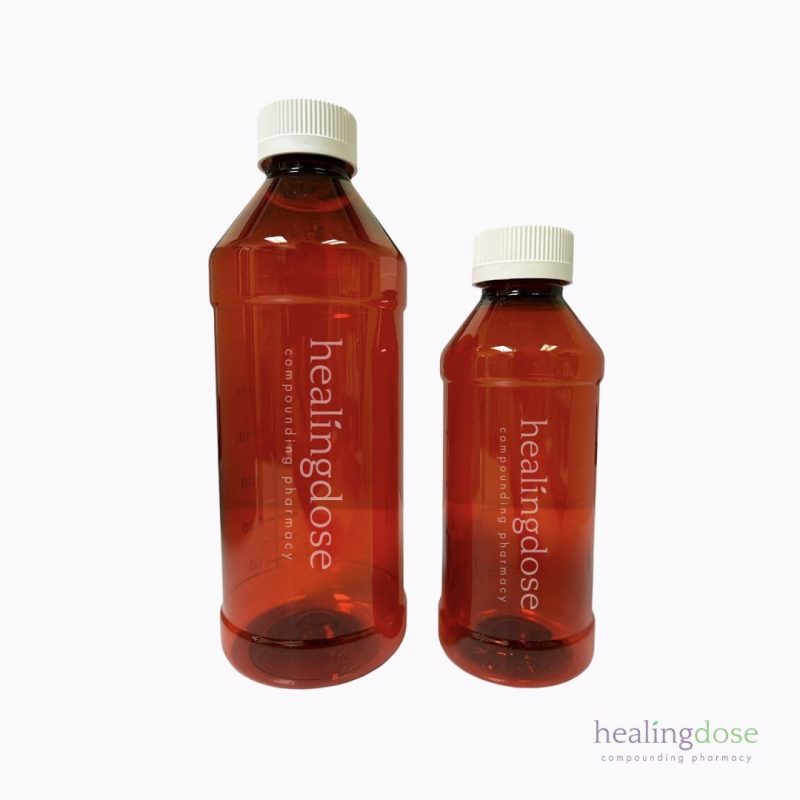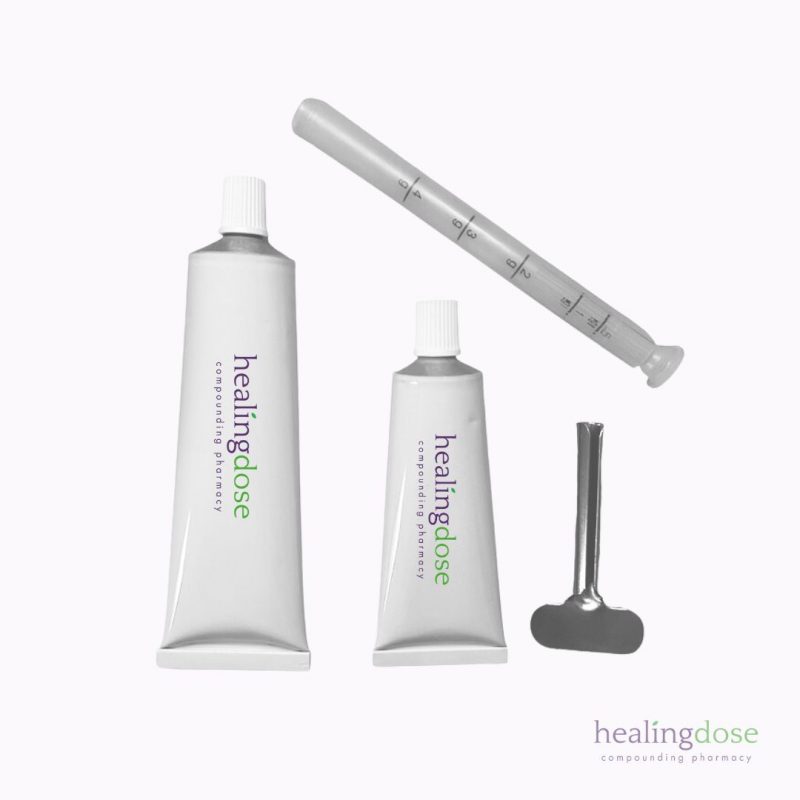
Tranexamic acid (TXA) rinse is an off-label compounded oral preparation that a dentist or medical clinician may prescribe as part of a local bleeding-management plan, including selected dental procedures. TXA is an antifibrinolytic medicine; appropriate use depends on the procedure and the patient’s bleeding and clotting history.
Contact Healing Dose Compounding Pharmacy in Farmington Hills, Michigan, about the prescribed concentration, measured rinse amount, technique, availability, and price. Do not stop a blood thinner or change the procedure plan yourself. A valid prescription and individualized instructions are required.
Tranexamic acid is an antifibrinolytic medicine. A dental or medical clinician may prescribe a local rinse within an individualized bleeding-management plan. It is different from a pain-numbing rinse, an injectable product, or an oral tablet.
Dental teams may consider a local TXA preparation around selected extractions or other procedures, including some patients taking anticoagulants. The procedure, bleeding history, other medicines, and local measures guide the plan. A rinse does not replace an examination, procedural care, or treatment of ongoing significant bleeding.
The EXTRACT-NOAC randomized trial studied a specific 10% TXA mouthwash in adults taking non-vitamin K oral anticoagulants who underwent dental extraction. It did not establish a reduction in every bleeding outcome; findings varied by timing and type of bleeding. The study does not validate every concentration, procedure, or postoperative throat-rinse protocol.
Tranexamic acid and bleeding after dental extraction: the EXTRACT-NOAC randomized clinical trial. PLoS Medicine. 2021.
Do not stop or alter an anticoagulant or antiplatelet medicine yourself. The dentist and prescribing clinician should coordinate any changes and local bleeding measures. Ask about a plan before the procedure rather than assuming a mouthwash makes a medication change safe.
Follow the prescription for the measured amount, contact time, frequency, duration, and whether to spit or swallow. Avoid vigorous rinsing after a procedure unless the treating team directs it. Confirm instructions for eating, drinking, and other oral products. Do not make a rinse by crushing tablets without explicit pharmacy instructions.
Discuss prior blood clots, clotting disorders, kidney disease, pregnancy or breastfeeding, allergies, and every medicine. Ask about the appropriate plan for your actual formulation. Follow urgent-care instructions for heavy, persistent, or recurrent bleeding; do not simply increase the rinse dose.
A valid patient-specific prescription is required. Contact Healing Dose Compounding Pharmacy in Farmington Hills, Michigan, at (855) 728-0288 to confirm the prescribed strength, dosage form, ingredients, availability, pricing, and shipping eligibility. Follow the dispensing label for administration, storage, and beyond-use date.
Compounded medications are not FDA-approved; FDA does not review them for safety, effectiveness, or quality before marketing. A compounded preparation is not automatically equivalent to a manufactured medicine.
Read our educational discussion of compounded medicines in post-tonsillectomy care and dentistry and compounding information. Example formulas do not replace your prescription or procedure-specific plan.
Related: lidocaine mouthwash and budesonide mouthwash have different purposes and are not substitutes for a bleeding plan.