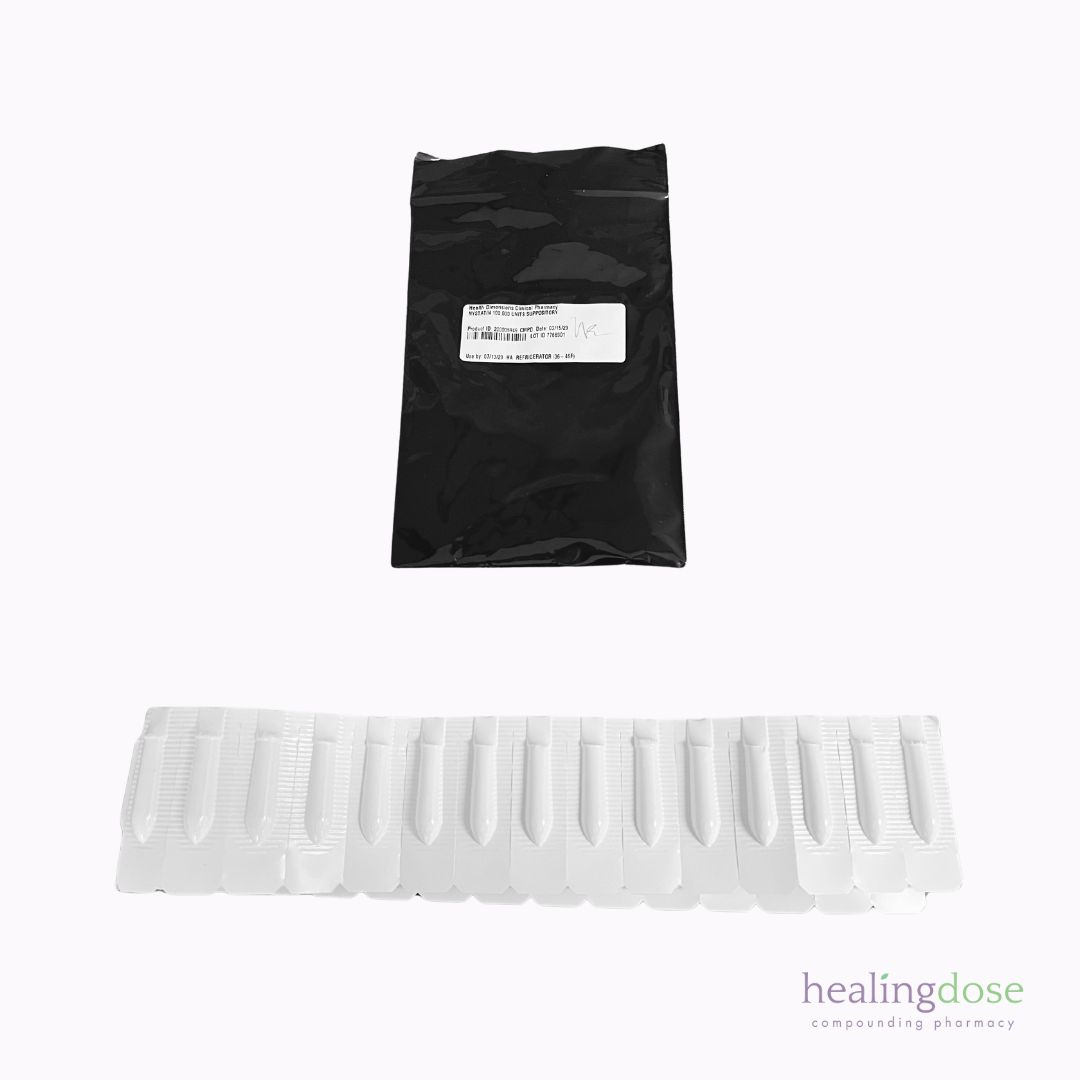
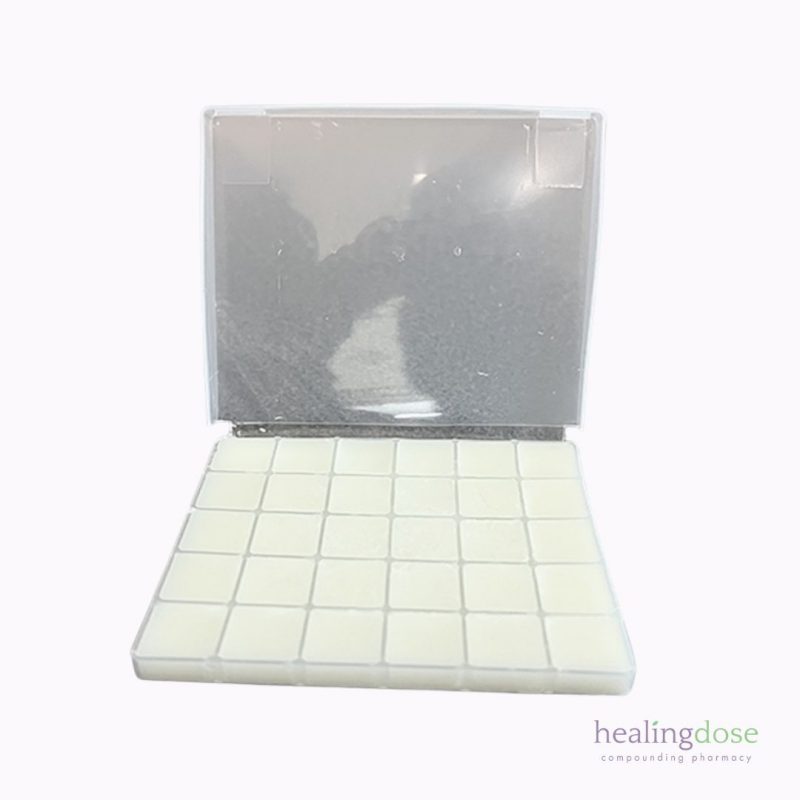
Ketamine suppositories: confirm the route before use
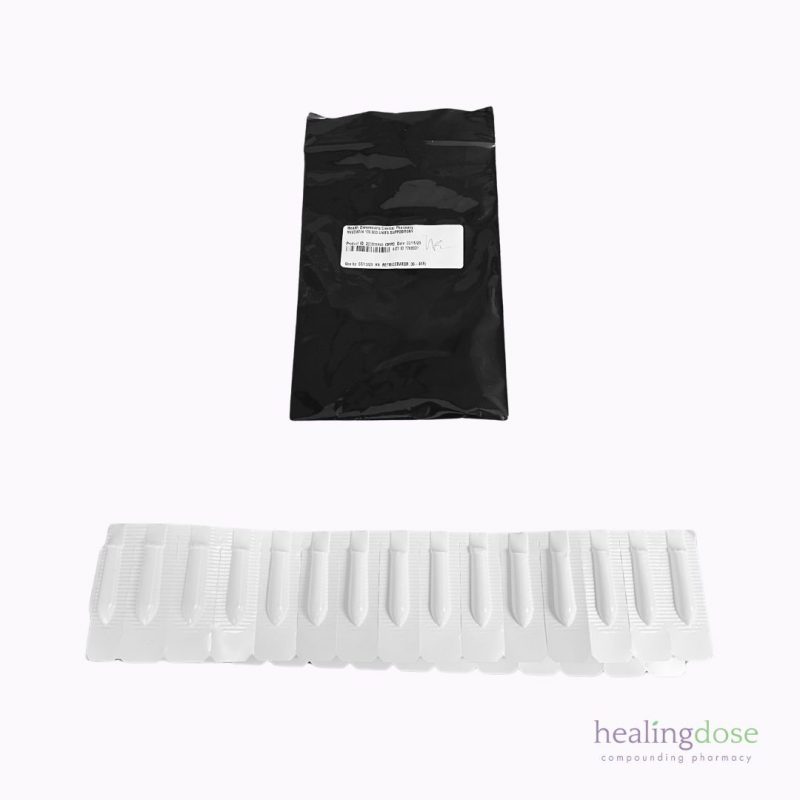
A suppository is a dosage form, not a complete set of administration instructions. The prescription must identify whether rectal, vaginal, or another specific use is intended. Do not assume the route from the product name or use the same preparation at a different site.
Why might a specialist request this form?
A clinician may consider an alternative route in a selected individualized pain or other specialist care plan when clinically appropriate. This does not establish that a suppository is suitable for routine depression, pelvic pain, or any other diagnosis. Ask why this form is being considered, what alternatives exist, and what evidence applies to your condition.
What should the pharmacy confirm?
Ask about strength per unit, base and other active ingredients, insertion instructions, frequency, storage, handling, and missed-dose guidance. Absorption can differ by formulation and route. Do not substitute a capsule, troche, or injectable product.
What safety plan is needed?
Review blood pressure, heart and psychiatric history, pregnancy, bladder symptoms, substance-use history, and all medicines with the prescriber. Ask about monitoring, an escort, driving restrictions, emergency instructions, and secure storage. Ketamine can cause sedation, dissociation, and changes in blood pressure; misuse and serious adverse effects are possible. Alcohol, opioids, benzodiazepines, and other sedating medicines require a specific interaction review. Do not change prescribed medicines on your own.
Compounded ketamine is not FDA-approved for psychiatric treatment and is not equivalent to Spravato® (esketamine). Read the FDA compounding risk alerts with your care team.
What does research say about this dosage form?
Robust clinical evidence for compounded ketamine suppositories is limited. The 2025 Cochrane review of ketamine for chronic pain found important uncertainty in the broader evidence; it does not validate this suppository. Oral, IV, and nasal studies should not be presented as proof for a different route.
Related Healing Dose reading
Our ketamine dosage-form overview and discussion of depression and neuropathic pain are educational. Research results do not predict an individual response. Do not switch forms without a new prescriber-directed plan.
Prescription and ordering questions
A valid patient-specific prescription is required. Contact Healing Dose Compounding Pharmacy in Farmington Hills, Michigan at (855) 728-0288 to confirm ingredients, strength, availability, cost, and shipping eligibility. Follow your label for storage and beyond-use date. Compounded medications are not FDA-approved; an individual preparation is not automatically equivalent to an approved product.